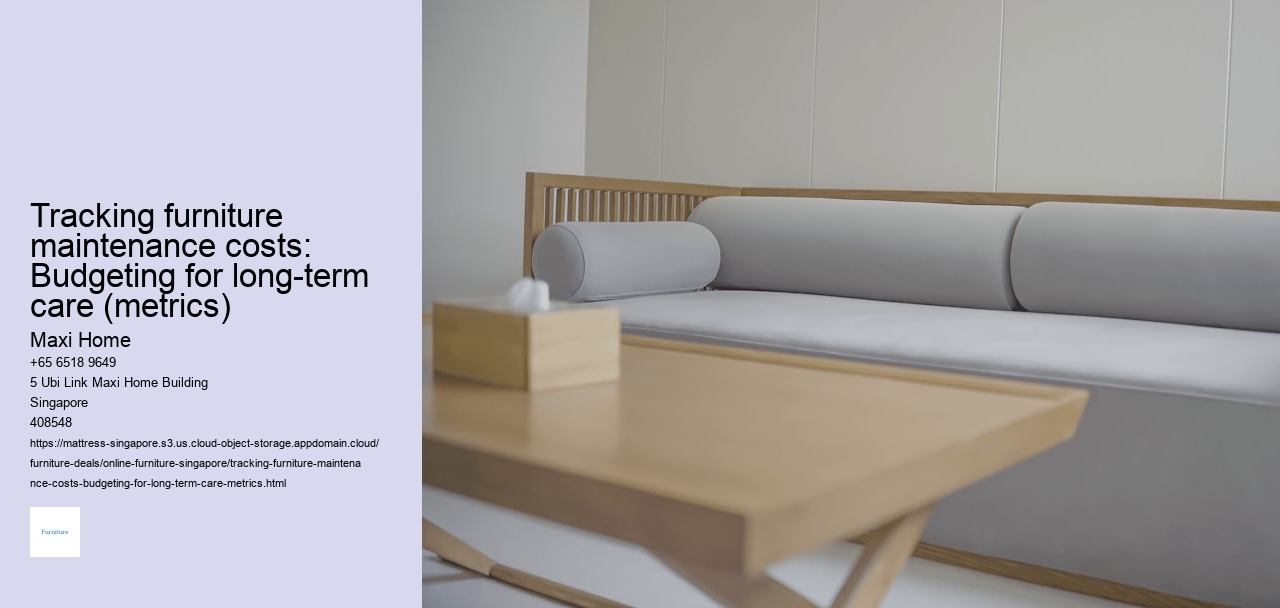
Alright, you've got your dream home in Singapore, maybe a cozy BTO or a stylish condo. You've spent time (and probably quite a bit of money!) picking out the perfect furniture, right? That sofa you sank into at the online furniture Singapore store, the dining table where you'll host all those gatherings... But have you thought about what happens after the delivery guys leave?
It's easy to get caught up in the excitement of setting up your new place, but trust me, future you will thank you for considering furniture maintenance costs. We're not just talking about the occasional wipe-down, but the more significant stuff that can hit your wallet unexpectedly. Think of it like this: your furniture is an investment, and like any investment, it needs a little TLC to keep it in tip-top shape and retain its value. After a long day being crammed in the MRT and powering through meetings, most busy Singaporeans just want to return home to a space that feels welcoming and calm instead of adding to the stress. A disorganised space or an unrestful bedroom can make unwinding even harder, especially when the kids and parents are trying to relax together. That’s where thoughtful interior design singapore really makes a difference—it turns everyday rooms like your living room, bedroom, or kitchen area into true recharge spots that actually help you refresh your energy. With the right sofa, sleep surface, or clever layout, suddenly coming home feels so shiok, and thoughtful tweaks can bring huge benefits to your daily mood and family bonding. Platforms like Wondrous La Vie make it more straightforward to discover inspiration and connect with home designers who get the Singapore home vibe perfectly. The main living area is usually the first space guests see and where the family spends most evenings, so it makes sense to want items that feels premium, hides wires cleanly, and doesn’t make the room feel smaller than it already feels in most SG flats. Many people deal with oversized outdated units or low-cost options that wobble, attract dust fast, or just don’t match the modern vibe they’re aiming for. That’s exactly where a well-chosen furniture stores singapore comes into play—it offers streamlined compartments for media devices, streaming boxes, and remote controls while becoming a chic statement piece that ties the whole living area together with clean lines, smart compartments, and luxurious surfaces. SUDDENLY the TV area becomes tidy and purposeful, the room looks bigger and more put-together, and movie nights become even more enjoyable without the disorder stealing attention. Exploring handpicked selections on platforms like Wondrous La Vie makes it easy to source styles that suit your layout spot-on, from simple modern to high-end, so your hall refresh turns smooth and just right.. This format lets you easily generate multiple SEO-optimised variations while keeping the core keyword "interior design" stable in the middle for strong on-page targeting.. Ignoring maintenance is like neglecting your car's servicing – eventually, something's gonna break down, and it'll probably cost you more to fix than if you'd just kept up with the regular check-ups.
So, why is tracking these costs so important, especially for Singaporean homeowners? Well, for starters, space is precious here, and we tend to maximize every square inch. That means our furniture often works harder, and gets more wear and tear. Plus, the humidity can be a real killer, affecting everything from wooden frames to leather upholstery. Keeping tabs on your maintenance expenses gives you a clear picture of where your money is going, helps you budget effectively, and prevents those nasty financial surprises down the road. Nobody wants to suddenly fork out a huge sum for a repair they could have avoided with a little foresight, right? Plus, knowing what you're spending helps you make smarter choices about future furniture purchases. Maybe that super-cheap sofa isn't such a good deal if it needs constant repairs, leh?
Think of it as part of your overall financial planning. You budget for groceries, utilities, and maybe even that weekend getaway to Batam. Shouldn't you also budget for keeping your home, and the furniture that makes it a home, in good condition? It's all part of being a responsible homeowner, and it’s definitely worth the effort in the long run. After all, a well-maintained home is a happy home, and a happy home starts with taking care of the things you own. Local homeowners across the island often must navigate specific hurdles when outfitting their living spaces, mainly due to compact apartment living and constant high humidity that affects furniture longevity. This is exactly why discerning residents take their time to research carefully to secure quality without overspending. online furniture singapore proves to be a smart choice that offers both outstanding comfort along with real durability. Make sure you purchasing reasonably priced pieces in Singapore with top-notch after-sales service ensures total support including timely island-wide delivery, professional installation, and solid warranties that provide true long-term peace of mindthat lasts.. Confirm can!
```html
So, you've finally got your own place in Singapore! Congrats! Whether it's a brand-new BTO flat or a resale gem, setting up your home is a *big* deal. And let’s be real, a big part of that is choosing the right furniture. But have you ever stopped to think about what happens *after* you bring that shiny new sofa or dining table home? We’re talking about furniture maintenance costs – the often-overlooked part of homeownership. Don’t worry, you’re not alone if it’s not top of mind! This guide will help you budget for the long-term care of your furniture, ensuring your investment stays looking good for years to come.
Singapore's climate, as we all know, is a beast. The humidity alone can wreak havoc on your furniture. Think mould, mildew, and warped wood. Plus, let's not forget the occasional pest problem. Cockroaches and termites? No thanks! These factors mean that your furniture is constantly under attack, making regular maintenance crucial. Ignoring these issues can lead to costly repairs or even premature replacements. And replacing furniture in Singapore? Not exactly cheap, is it? Think of maintenance as an investment, not an expense. It's about protecting your initial investment and ensuring your furniture lasts longer, saving you money in the long run. After all, who wants to replace their favourite sofa every few years?
Moreover, consider the impact on your home's overall aesthetic. Well-maintained furniture contributes to a clean, comfortable, and inviting living space. A stained, ripped, or faded sofa can instantly bring down the entire look of your living room. By taking care of your furniture, you're also taking care of your home's appearance and creating a more enjoyable environment for yourself and your family. Plus, if you ever decide to sell or rent out your place, well-maintained furniture can significantly increase its value. So, it’s a win-win situation, right?
Okay, let's get down to the nitty-gritty. What are the most common furniture woes Singaporean homeowners face? First off, humidity is a major culprit. It can cause wood to swell and warp, fabrics to fade and develop mould, and metal to rust. Then there's the sun. Direct sunlight can bleach colours and weaken materials, especially those lovely online furniture singapore finds you invested in. And, of course, we can't forget about everyday wear and tear. Spills, stains, scratches, and dents are all part of life, especially if you have kids or pets. But these seemingly minor issues can quickly escalate if left untreated. Think of that small wine stain on your sofa turning into a permanent eyesore, or that tiny scratch on your wooden table becoming a breeding ground for bacteria. Eeew!
Another common problem is pest infestation. Termites, in particular, can cause significant damage to wooden furniture, often going unnoticed until it's too late. And cockroaches? Well, they're just plain gross and can spread germs. Regular pest control is essential to protect your furniture and your family's health. Also, consider the type of materials your furniture is made of. Certain materials are more susceptible to wear and tear than others. For example, leather furniture can dry out and crack in Singapore's heat, while fabric furniture can easily absorb spills and stains. Understanding the properties of your furniture materials is key to providing proper care. It’s all about knowing what you’re dealing with, *lah*!
Alright, time for the numbers! How much should you budget for furniture maintenance? Well, it depends on several factors, including the type of furniture you own, the materials they're made of, and your lifestyle. But as a general rule of thumb, aim to set aside at least 5-10% of the original purchase price of your furniture annually for maintenance. So, if you spent $5,000 on furniture, budget $250-$500 per year. This may seem like a lot, but it's better to be prepared than caught off guard by unexpected repair costs. This budget should cover things like cleaning supplies, upholstery cleaning, wood polishing, pest control, and minor repairs. For example, a good quality leather conditioner for your sofa or a wood polish for your dining table can go a long way in preserving their condition.
Also, consider the cost of professional services. Upholstery cleaning, pest control, and furniture repair are best left to the experts. Get quotes from different providers and factor those costs into your budget. Don't be afraid to shop around for the best deals, but be wary of extremely low prices, as they may indicate subpar service. Remember, you get what you pay for. And when it comes to your furniture, you want to ensure it's in good hands. It’s like finding a good doctor – you want someone reliable and trustworthy, right? Now, that’s what I call steady!
Okay, so you’ve got your budget sorted. Now, let’s talk about what you can do yourself to keep your furniture in tip-top shape. First and foremost, regular cleaning is key. Dust your furniture regularly with a soft cloth to prevent dirt and grime from building up. For fabric furniture, vacuum regularly to remove dust and debris. And for leather furniture, wipe it down with a damp cloth and apply a leather conditioner every few months. Addressing spills immediately is also crucial. The longer a spill sits, the harder it is to remove. Blot spills with a clean cloth and avoid rubbing, which can spread the stain. For stubborn stains, consider using a specialized stain remover or consulting a professional cleaner.
Sunlight is another thing to watch out for. Position your furniture away from direct sunlight or use curtains or blinds to filter the light. This will help prevent fading and damage to your furniture. And don't forget about pest control. Regularly inspect your furniture for signs of termites or other pests. If you spot any, take action immediately. You can either hire a professional pest control service or use DIY pest control methods. But be sure to follow the instructions carefully and take necessary safety precautions. Remember, prevention is always better than cure. So, take proactive steps to protect your furniture from pests. You confirm can save yourself a lot of trouble in the long run!
Sometimes, DIY just isn't enough. There are certain furniture issues that require the expertise of a professional. For example, if your sofa has a broken frame, a torn seam, or a major stain, it's best to call a professional upholstery cleaner or furniture repair service. Similarly, if your wooden furniture has significant damage, such as deep scratches, dents, or water damage, it's best to consult a professional furniture restorer. Trying to fix these issues yourself could end up making the problem worse and costing you more money in the long run. It’s better to leave it to the experts, *lah*!
Knowing when to call a professional is also important for safety reasons. For example, if your furniture has electrical components, such as a recliner or a massage chair, it's best to leave any electrical repairs to a qualified electrician. Similarly, if your furniture contains hazardous materials, such as asbestos, it's best to consult a professional removal service. Your safety and your family's safety should always be your top priority. After all, you don't want to risk getting injured or exposed to harmful substances. So, when in doubt, call a professional. It's better to be safe than sorry. Plus, they’ll probably do a better job anyway! And with the right online furniture singapore choices, you will have less to worry about.
Of course, the best way to minimize furniture maintenance costs is to choose durable, high-quality furniture in the first place. When shopping for furniture, pay attention to the materials, construction, and warranty. Opt for solid wood furniture over particleboard or MDF furniture, as it's more resistant to wear and tear. Choose fabrics that are stain-resistant and easy to clean. And look for furniture with a strong frame and durable hardware. A good warranty can also provide peace of mind, as it covers defects in materials and workmanship. But be sure to read the fine print carefully to understand what's covered and what's not.
Also, consider your lifestyle when choosing furniture. If you have kids or pets, opt for furniture that's easy to clean and resistant to stains and scratches. If you entertain frequently, choose furniture that's comfortable and durable. And if you live in a small apartment, choose furniture that's space-saving and multifunctional. The right furniture can make your life easier and more enjoyable. So, take your time, do your research, and choose wisely. It's an investment that will pay off in the long run. Some people even say that the right furniture can bring good luck. Who knows? Maybe it's true, *leh*!
Understanding the different furniture materials and their specific care requirements is essential for long-term maintenance. Let’s break down some common materials and how to care for them:
By understanding the properties of your furniture materials and following the appropriate care instructions, you can extend the lifespan of your furniture and keep it looking its best. It's like knowing the ingredients in a recipe – you need to know what you're working with to create something amazing. And when it comes to your furniture, that something amazing is a beautiful and comfortable home.
Ultimately, investing in furniture maintenance is an investment in your future. By taking proactive steps to care for your furniture, you
Okay, steady lah! Here's the HTML fragment for the specified section on creating a furniture maintenance budget, following all the rules.
Understanding the materials your furniture is made from is crucial for predicting maintenance needs. Solid wood pieces, for example, might require regular polishing and protection from humidity – something we know all about in Singapore! Upholstered furniture, on the other hand, is prone to stains and may need professional cleaning services periodically. Knowing what you're working with allows you to anticipate potential problems and budget accordingly. It's like knowing your car needs servicing every 10,000 km; furniture is similar, just a bit less obvious.
Setting aside a budget for cleaning supplies is a small but important step. After those long tiring days and the routine commute crush, nothing beats stepping into a living area that actually encourages relaxation instead of stressing you out more. Many Singapore families realise their old couch just isn’t doing the job—uncomfortable, too worn, or simply not supportive enough for movie nights or lazy weekends with the kids. That’s precisely where luxury furniture singapore becomes a game-changer—it pairs refined aesthetics, supple premium upholstery, and clever ergonomic design so you can melt into it and truly relax without your back complaining later. Picture the kids and parents gathering there naturally, sharing stories after meals or enjoying Netflix marathons, because the space finally feels homely and shiok. Choosing the ideal sofa through curated platforms Wondrous La Vie removes the hassle, letting you find that dream sofa that elevates your entire home vibe without the typical renovation stress.. This includes things like wood polish, upholstery cleaner, leather conditioner (if applicable), and microfiber cloths. Don't just anyhow buy one; choose products specifically designed for your furniture's materials to avoid damage. Consider eco-friendly options too, for a sustainable home. Think of it as preventative medicine; a little investment now can save you a lot of heartache (and money) later.
Even with the best care, furniture can sometimes require professional repairs. A broken chair leg, a torn seam, or a scratched surface might need the attention of a skilled craftsman. Research local furniture repair services and get an idea of their pricing. Having a "rainy day" fund for these unexpected expenses can prevent a small problem from becoming a major one. Confirm can find reliable services online, or ask your friends for recommendations; word of mouth is still powerful, right?
Investing in furniture protection can significantly reduce maintenance costs in the long run. Consider using furniture covers, especially for items exposed to direct sunlight or heavy use. Rugs can protect flooring from scratches caused by furniture legs. Coasters and placemats are essential for preventing stains on tables and other surfaces. These simple measures can extend the life of your furniture and minimize the need for repairs or replacements. It’s like putting a screen protector on your phone - a small investment for big peace of mind.
While proper maintenance can extend the lifespan of your furniture, eventually, replacement will be necessary. Factoring in depreciation and planning for future purchases is a smart budgeting strategy. Start saving early for new pieces, especially for high-use items like sofas and mattresses. Consider the potential cost of replacing items every 5-10 years, depending on their quality and usage. This isn't about being pessimistic, it's about being prepared, like planning for your CPF contributions; steady and reliable for the long haul, one.
Implementing a regular maintenance schedule can extend the lifespan of your furniture and prevent costly repairs. This includes tasks like cleaning, polishing, and tightening screws or bolts. A well-defined maintenance plan helps identify and address minor issues before they escalate into major problems.
When furniture sustains damage, it's important to evaluate whether repair or replacement is the more cost-effective option. Consider the age, material, and extent of the damage when making this decision. Sometimes, a simple repair can significantly extend the life of the furniture, while other times, replacement is the better long-term investment.
Upholstered furniture requires specialized care to prevent stains, wear, and tear. Regular vacuuming and professional cleaning can keep upholstery looking its best and extend its lifespan. Consider using fabric protectors to shield against spills and stains, minimizing the need for frequent deep cleaning.
Okay, you've finally got your own place in Singapore! Congrats! Whether it's a brand new BTO flat or a resale unit you've lovingly renovated, furnishing it is a big step. Singapore homes can feel particularly tight after a full day of rushing between office, meetings, and the inevitable MRT crowd, so it’s no wonder many Singaporeans crave a space that quickly helps you decompress the moment they step inside. The living area often ends up as the central hub of family life, yet it’s easy for it to become filled with mismatched furniture or worn-out seating, leaving everyone dispersed rather than connected. That’s where sofa promotions really makes the magic happen—it upgrades the whole area with elegant floor plans, premium textures, designer lighting accents, and seating that feels as good as it looks, creating an welcoming centre where everyone naturally gathers to chill, talk, or bond effortlessly. Evenings suddenly become more special, weekends more restful, and coming home turns into something you genuinely look forward to rather than simply crashing after work. Sites such as Wondrous La Vie make exploring these upgrades easy, helping you visualise and source the ideal features to build a living area that fits your family’s needs spot on.. And after spending all that money on your online furniture Singapore, especially if you've gone for quality pieces that *confirm* last, you want to make sure they stay in tip-top shape, right? But how *lah*? How do you keep track of all the cleaning supplies, repairs, and maybe even the odd upholstery refresh needed down the road? Don't worry, it's not as daunting as it seems! Let's talk about some simple ways to track those furniture maintenance costs so you don't get a nasty surprise later on.
After all, furniture – those movable or built-in objects (like mattress, sofa, cabinets, tables and chairs etc) designed to support human activities such as sitting, sleeping, eating, storing, and decorating living spaces – provides both practical function and aesthetic appeal in our homes. Ignoring their upkeep is like neglecting your car; eventually, things *will* break down, and the cost will be way higher than if you'd just kept up with regular maintenance. Budgeting for long-term care is key!
Let's start with the classic: the spreadsheet. Now, I know what you might be thinking: "Spreadsheets? So boring!" But honestly, they're super versatile and totally customizable. Plus, you probably already have access to one, whether it's Microsoft Excel, Google Sheets, or even a free open-source option. The beauty of a spreadsheet is that you can tailor it *exactly* to your needs. Think of it as your personal furniture maintenance command center.
Here's how you can set one up: Create columns for things like "Date of Purchase," "Item Description" (e.g., "Sofa," "Dining Table," "Bed Frame"), "Furniture Material" (this is important! Knowing if it's leather, wood, fabric, or something else will help you choose the right cleaning products), "Maintenance Date," "Description of Maintenance" (e.g., "Leather cleaning," "Wood polishing," "Fabric stain removal"), "Cost of Maintenance," and "Notes."
Under "Furniture Material," be specific. For example, if you bought a solid wood dining table from an online furniture Singapore store, note the type of wood (e.g., acacia, teak, rubberwood). Different woods require different care! Then, every time you do any kind of maintenance, log it in. Bought a special leather cleaner for your sofa? Write it down. Hired someone to fix a wobbly table leg? Log it. Even small things like buying furniture polish should be included. Over time, you'll start to see patterns. You might realize, "Hey, I'm spending a lot on leather cleaner. Maybe I should invest in a better sealant!" Or, "Wow, this particular piece of furniture needs a lot of attention. Maybe next time, I'll choose a more durable material."
The "Notes" column is your space for anything extra. Maybe you tried a new cleaning method that worked really well, or maybe you found a great deal on furniture polish. Jot it down! This will be invaluable when you need to repeat the process later on. You can even add links to online tutorials or product reviews that you found helpful. Don't underestimate the power of good notes!
Spreadsheets are great for seeing the big picture. You can easily sort and filter your data to see how much you're spending annually on furniture maintenance, which items are costing you the most, and what kind of maintenance you're doing most frequently. This information can help you make smarter decisions about future furniture purchases and maintenance strategies. Plus, if you're the type who likes to see things visually, you can even create charts and graphs to track your spending over time. Steady *lah*!
If you're more of a digital native and prefer to manage everything on your phone, budgeting apps are your best friend. There are tons of options out there, from general budgeting apps like YNAB (You Need a Budget) and Mint to more specialized apps designed for tracking home expenses. The key is to find one that suits your style and integrates well with your existing financial tools.
Most budgeting apps allow you to create custom categories. So, you can create a category specifically for "Furniture Maintenance." Then, every time you spend money on cleaning supplies, repairs, or anything related to furniture upkeep, simply log it in the app. Many apps also allow you to add notes and photos, which can be really helpful for remembering details about specific maintenance tasks. Imagine snapping a quick photo of the cleaning product you used or the invoice from the repairman – it's all right there at your fingertips!
One of the biggest advantages of using a budgeting app is that it can automate a lot of the tracking process. Many apps can connect to your bank accounts and credit cards, automatically importing your transactions. This means you don't have to manually enter every single expense. Just categorize it correctly, and you're good to go! This saves time and reduces the chance of forgetting to track something.
Budgeting apps also offer powerful reporting features. You can see how much you're spending on furniture maintenance each month, quarter, or year. You can also compare your spending to previous periods to see if you're on track with your budget. Some apps even provide personalized insights and recommendations based on your spending patterns. Maybe the app will tell you, "Hey, you're spending more on furniture repairs this year than last year. Maybe it's time to consider replacing that old sofa!"
For the *kiasu* (fear of losing out) Singaporean, many budgeting apps offer goal-setting features. You can set a goal for how much you want to spend on furniture maintenance each month and track your progress towards that goal. This can help you stay disciplined and avoid overspending. Plus, it's satisfying to see yourself reaching your financial goals! Many of these apps are free or have a free tier with limited features. Experiment with a few to see which one you like best. Some popular options include Seedly (a Singapore-based app!), PocketGuard, and Personal Capital. Don't be afraid to try them out and see what works for you. After all, what's important is finding a system that you'll actually use consistently.
Ultimately, whether you choose a spreadsheet, a budgeting app, or even a simple notebook, the most important thing is to start tracking your furniture maintenance costs. It doesn't have to be perfect, but the more consistent you are, the more valuable the information will be. You'll gain a better understanding of your spending habits, identify areas where you can save money, and make smarter decisions about future furniture purchases. And who knows, maybe you'll even discover a hidden talent for furniture repair along the way! Like that, *can* save money one!
So, you've finally got your dream home in Singapore, filled it with beautiful online furniture from Singapore, and now you're thinking, "Okay, what's next?". It's easy to get caught up in the excitement of setting everything up, right? But here's a thought: have you considered the long-term costs of keeping your furniture in tip-top shape? It’s not just about the initial price tag, but also about budgeting for maintenance and care to make sure your investment lasts. Let's dive into some key metrics to help you keep those costs down and your furniture looking its best.
Seriously, why bother tracking how much you're spending on furniture upkeep? Well, think of it this way: ignoring maintenance costs is like ignoring that little cough you've had for weeks. It might seem minor now, but it could turn into something major (and expensive!) later. Tracking your furniture maintenance costs lets you catch problems early, before they escalate into full-blown replacements. Plus, it helps you budget smarter. No one wants to be hit with a surprise bill for a new sofa just because they didn't bother cleaning the old one regularly, right?
For first-time homeowners and young families in Singapore, especially those in BTO flats, every dollar counts lah! It's about being kiasu (afraid to lose out) in the best way possible – ensuring your furniture investment is protected. By understanding where your money is going, you can make informed decisions about cleaning products, repair services, and even future furniture purchases. It’s about being practical and maximizing the lifespan of your online furniture Singapore finds. Think of it as a form of “adulting” – responsible and rewarding in the long run.
And hey, let's be real, Singapore weather can be brutal on furniture. Humidity and sunshine can wreak havoc on certain materials, so proactive maintenance is even more important here. Knowing your costs allows you to tailor your care routine to combat these local challenges. This is what we call a win-win situation!
Repair frequency is basically how often you need to fix your furniture. Is your sofa constantly needing re-stuffing? Are your chairs always wobbling? If you're constantly calling the repairman, that's a red flag. High repair frequency can indicate a few things: either the furniture wasn't the best quality to begin with, it's being used improperly, or it's simply reaching the end of its lifespan.
Keeping track of repair frequency helps you identify problem areas. Maybe that online furniture Singapore deal you snagged wasn't as great as you thought. Or perhaps the kids are a little too enthusiastic when they climb on the furniture (we've all been there!). By monitoring this metric, you can make adjustments to your furniture usage or even consider investing in more durable pieces in the future. For example, if you find yourself constantly repairing wooden furniture due to scratches, it might be time to invest in some good quality wood polish and be more diligent about using coasters. Confirm can save money one!
Furniture Materials and Care is key here. For example: Leather furniture needs regular conditioning to prevent cracking, while fabric furniture benefits from stain-resistant treatments. Regular cleaning can prevent build-up of dust and grime, reducing the need for more intensive (and costly) repairs. Consider the material of the online furniture Singapore pieces you own and research the best maintenance practices for each. This simple step can significantly reduce your repair frequency and extend the life of your furniture.
Replacement costs are the total expenses incurred when you have to replace a piece of furniture. This includes the cost of the new item, delivery fees, and even disposal fees for the old furniture. It's a harsh reality, but furniture doesn't last forever. Monitoring replacement costs helps you understand the long-term financial impact of your furniture choices. Are you constantly replacing cheap furniture every few years? It might actually be more cost-effective to invest in higher-quality, more durable pieces that will last longer.
Think about it: that super-cheap sofa from that online furniture Singapore sale might seem like a steal at first, but if you have to replace it every two years, you're actually spending more money in the long run. By tracking how much you spend on replacements, you can start to see the value in investing in quality. Plus, it gives you a better understanding of your overall furniture budget. Maybe you need to allocate more funds for furniture in your long-term financial planning. This is especially important for young families setting up their first home.
Don't forget to factor in the "hidden" costs of replacement. Things like the time spent shopping for new furniture, the hassle of coordinating delivery, and the disruption to your home life. These factors can all add up, making replacement a more costly and stressful experience than you might initially think. Planning ahead and choosing durable, well-maintained furniture can help you avoid these headaches.
Cleaning supplies might seem like a small expense, but they can add up over time. We're talking about things like furniture polish, upholstery cleaner, leather conditioner, and even microfiber cloths. Keeping track of these expenses helps you understand how much you're spending on maintaining your furniture's appearance and condition. It also encourages you to be more mindful of your cleaning habits.
Are you using the right cleaning products for your furniture? Using harsh chemicals on delicate materials can actually damage them, leading to more costly repairs or even replacement. Research the best cleaning methods for each type of furniture you own. For example, using a damp cloth and mild soap is often sufficient for cleaning wooden furniture, while leather requires specialized conditioners. Also, consider making your own cleaning solutions using natural ingredients like vinegar and baking soda. Not only is this more eco-friendly, but it can also save you money. Like that also can!
Another thing to consider is the frequency of your cleaning. Are you over-cleaning your furniture? This can actually strip away natural oils and damage the finish. Aim for a regular cleaning schedule that's appropriate for the type of furniture and the level of use it receives. By being mindful of your cleaning habits and using the right products, you can keep your cleaning supply expenses down and extend the life of your furniture. It's all about finding that sweet spot between clean and over-cleaned.
Sometimes, DIY just isn't enough. Professional cleaning and maintenance services can be a lifesaver for tackling tough stains, repairing damaged upholstery, or restoring antique furniture. But these services can also be expensive, so it's important to track how much you're spending on them. This metric helps you determine whether you're relying too heavily on professionals or whether you're getting good value for your money.
Before you call in the pros, try to assess the situation yourself. Can you tackle the stain with a DIY solution? Is the damage minor enough to repair yourself? There are tons of online resources and tutorials that can guide you through basic furniture repairs and cleaning. However, if the damage is extensive or you're dealing with valuable or delicate furniture, it's best to leave it to the experts. A good rule of thumb is if you're unsure, don't risk it. You don't want to make the problem worse and end up paying even more in the long run.
When choosing a professional cleaning or maintenance service, do your research. Get quotes from multiple providers, read reviews, and ask for references. Make sure they have experience working with the type of furniture you own and that they use safe and effective cleaning methods. And remember, prevention is always better than cure. Regular cleaning and maintenance can help you avoid the need for costly professional services in the first place. So, steady lah, take care of your furniture, and it will take care of you (and your wallet!).
Okay, so you've got all these metrics, but how do you actually track them? Don't worry, it's not as complicated as it sounds. You can create a simple spreadsheet or use a budgeting app to track your furniture maintenance expenses. The key is to be consistent and to regularly update your dashboard with new information. This will give you a clear picture of your spending habits and help you identify areas where you can save money. For example, you might realize that you're spending a lot on professional cleaning services because you're not cleaning your furniture regularly enough. Or you might discover that you're constantly replacing cheap furniture because it's not durable enough.
Your furniture maintenance dashboard should include the following information: date of purchase, type of furniture, material, repair frequency, replacement costs, cleaning supply expenses, and professional cleaning/maintenance service costs. You can also add notes about any specific issues or concerns you have with your furniture. The more detailed your dashboard, the more insights you'll gain. Remember, the goal is to be proactive and to catch problems early, before they escalate into costly repairs or replacements.
Tracking these metrics might seem like a lot of work, but trust me, it's worth it in the long run. By being mindful of your furniture maintenance costs, you can protect your investment, extend the life of your furniture, and save money in the process. In Singapore’s hot and sticky conditions and demanding work-life balance, getting decent sleep can feel like a true indulgence when you’re getting up feeling sore or still tired despite hitting the bed early. Many Singapore homeowners tolerate an worn-out bed for far too long because shopping for a replacement seems too complicated—overwhelming variety, bewildering firmness ratings, and fears it won’t match their body type and sleep style. That’s exactly why finding the furniture showrooms singapore makes a huge difference—it delivers the perfect combination of support, cooling breathability, even weight distribution, and long-lasting quality so you truly start the day alert and pain-free instead of achy and sluggish. Suddenly mornings start easier, energy levels stay steadier, and even your spouse sees how much better you rest. Exploring thoughtfully chosen picks on sites such as Wondrous La Vie makes it far easier, letting you see highly recommended options with authentic Singapore user experiences and visuals to select what perfectly fits for your sleeping space.. And that's something we all want, right? So, go ahead and create your furniture maintenance dashboard today. Your wallet (and your furniture) will thank you for it!
So, you've finally got your dream home in Singapore. Congrats! You've probably spent a fair bit of time (and money!) picking out just the right furniture to make it feel like *you*. But here's the thing: furniture, like everything else, needs a little TLC to keep it looking good and lasting long. Now comes the big question: do you roll up your sleeves and DIY, or call in the pros?
It's a classic Singaporean balancing act, isn't it? We all want the best value, but sometimes, “cheap and good” is easier said than done. Let's break down the DIY vs. professional furniture maintenance debate, especially when you've invested in quality furniture for lifestyle living in Singapore.
There's a certain satisfaction in fixing things yourself, right? Especially when it saves you a few bucks. For minor furniture mishaps, DIY can be a great option. Think of it this way: that wobbly chair leg? A loose screw might be all it needs. That small scratch on your coffee table? A touch-up pen could work wonders. Plus, there are tons of online tutorials and videos that can guide you through simple repairs. YouTube is your friend, *lah*!
One of the biggest advantages of DIY is, of course, the cost savings. You're only paying for materials, which are often relatively inexpensive. You can get wood polish for your solid wood furniture, or fabric cleaner for your sofa from most hardware stores. Plus, you can work at your own pace, fitting the repairs into your busy schedule. No need to wait for someone to come over!
But let's be real, DIY isn't always a walk in the park. Some repairs are more complex than others, and if you're not careful, you could end up making the problem worse or even damaging your furniture further. Imagine trying to reupholster a sofa without any experience – could get messy, *leh*! Plus, you'll need to factor in the time it takes to research the repair, gather the necessary tools and materials, and actually do the work. Time is money, after all. And sometimes, it's just easier to let someone else handle it.
When considering DIY, think about the type of furniture you're dealing with. Is it a simple piece from online furniture Singapore, or a more intricate, high-end item? Also, consider the materials. Furniture made of solid wood might require different techniques and products than furniture with fabric upholstery. Before you start any DIY project, make sure you have the right tools, materials, and knowledge. A little research can go a long way in preventing costly mistakes.
Sometimes, you just need to admit defeat and call in the professionals. And that's perfectly okay! There are plenty of skilled furniture repair and maintenance services in Singapore that can handle even the most challenging repairs. Think of it as an investment in the longevity of your beloved furniture.
The biggest advantage of hiring a professional is their expertise. They have the knowledge, skills, and tools to properly diagnose and fix furniture problems. They can also offer advice on how to prevent future damage and keep your furniture looking its best. And let's be honest, sometimes it's just a relief to hand over the responsibility to someone else. Less stress for you, *steady*!
Consider professional help for tasks like repairing broken frames, reupholstering furniture, or refinishing wood surfaces. These are often complex jobs that require specialized skills and equipment. Trying to DIY these types of repairs could end up costing you more in the long run if you make a mistake. Plus, professionals often offer warranties on their work, giving you peace of mind.
Of course, hiring a professional comes at a cost. But when you factor in the time, materials, and potential for mistakes with DIY, it might actually be the more cost-effective option in the long run. Think about it: would you rather spend a whole weekend struggling to fix a broken chair, or pay a professional to do it right the first time? Sometimes, it's worth paying for the convenience and expertise.
When choosing a professional furniture maintenance service, be sure to do your research. Look for companies with good reviews and a proven track record. Ask for quotes from multiple providers to compare prices. And don't be afraid to ask questions about their experience and qualifications. You want to make sure you're hiring someone who knows what they're doing.
Let's get down to brass tacks: how much does it actually cost to maintain your furniture in Singapore? The answer, of course, depends on a variety of factors, including the type of furniture, the extent of the damage, and whether you choose to DIY or hire a professional.
For DIY repairs, the costs are typically limited to the price of materials. A bottle of wood polish might cost you $10-$20, while a touch-up pen could be $5-$10. More extensive DIY projects, like reupholstering a chair, could require more expensive materials like fabric, foam, and batting. But even then, the costs are usually lower than hiring a professional.
Professional furniture maintenance services can range from a few dollars for a simple repair to hundreds of dollars for more complex jobs. For example, repairing a broken chair leg might cost $50-$100, while reupholstering a sofa could cost $300-$800 or more. The cost will also depend on the type of furniture and the materials involved. High-end furniture and delicate fabrics will typically cost more to repair and maintain.
To get a better idea of the costs, it's a good idea to get quotes from multiple providers. Be sure to provide them with as much information as possible about the furniture and the damage. This will help them give you a more accurate estimate. And don't be afraid to negotiate! Many providers are willing to offer discounts, especially for repeat customers.
Here's a little tip: consider setting up a furniture maintenance fund. This is a dedicated savings account that you can use to pay for repairs and maintenance. By setting aside a small amount each month, you'll be prepared for unexpected furniture mishaps. With Singapore’s compact homes and hot sticky weather, finding furniture pieces that’s both beautiful and everyday-usable can feel like a endless chase—especially when you want pieces that endure long-term without losing their look. Many locals end up settling for mainstream choices that appear decent in photos but don’t hold up well—either too lightweight for daily family use or not breathable enough for our climate. That’s why visiting a reliable mattress stores singapore curated through Wondrous La Vie changes everything—it links you seamlessly with handpicked collections of premium sofas, high-quality sleep surfaces, dining sets, and more, with authentic showroom views or detailed visuals so you can feel confident about what suits your flat, apartment, or house. You get that confidence knowing the items are chosen for Singapore living—long-lasting builds, smart sizing, and looks that turn your space into a cosy haven. In the end, the perfect platform turns what could be a painful shopping trip into an exciting step toward a living environment that feels truly shiok.. It's like a rainy day fund for your sofa!
So, which is the right choice for you: DIY or professional furniture maintenance? There's no one-size-fits-all answer. It depends on your skills, budget, and the type of furniture you own. But here's a simple guideline:
Ultimately, the goal is to keep your furniture looking good and lasting long. Whether you choose to DIY or hire a professional, make sure you're taking care of your investment. After all, your furniture is more than just a collection of objects. It's part of your home, your style, and your memories. And that's worth protecting, *confirm can*?
And remember, a little preventative care can go a long way. Regularly clean and polish your furniture, protect it from direct sunlight, and avoid placing heavy objects on delicate surfaces. A little bit of effort can help you avoid costly repairs down the road. Happy furnishing!
So, you’ve finally got your own place, shiok! Whether it's a brand new BTO flat or a cozy resale, furnishing it is a big step. But let's be real, the costs can add up fast, right? It's not just about buying that dream sofa online in Singapore; it’s also about keeping it looking good for years to come. That’s where proactive furniture care comes in, and trust me, it's way cheaper than replacing everything every few years!
Think of your furniture like plants – each type needs a different kind of TLC. You wouldn’t water a cactus like you water a fern, would you? Same goes for your sofa, dining table, and bed frame. Understanding the materials is half the battle, confirm can!
Ah, wood! Classic, timeless, but also a bit of a diva sometimes. Solid wood pieces, especially, need some love to prevent them from drying out and cracking in Singapore's humid climate.
Cleaning: Dust regularly with a soft, dry cloth. For spills, wipe immediately with a damp cloth and then dry it properly. Avoid harsh chemicals – they can strip the finish. For a deeper clean, you can use a wood cleaner specifically designed for your furniture’s finish. Always test in an inconspicuous area first, just in case.
Polishing: Wood polish helps to protect the finish and keep your furniture looking shiny and new. How often you polish depends on the wood and the polish itself. Some people do it every few months, others just once or twice a year. Look for polishes with beeswax or natural oils – they’re gentler on the wood.
Protecting: Heat and moisture are wood's enemies. Always use coasters and placemats to protect surfaces from hot mugs and condensation. Consider using furniture covers or throws, especially if you have young kids or pets. And try to avoid placing wooden furniture in direct sunlight, as this can cause fading and warping.
That comfy sofa and those stylish armchairs? They're upholstered, and they need regular attention to stay fresh and inviting. Think of all the crumbs, dust, and… well, life… that accumulates in those cushions!
Vacuuming: Vacuum your upholstered furniture at least once a week to remove dust, dirt, and pet hair. Use the upholstery attachment on your vacuum cleaner to get into all the nooks and crannies. It's also a good idea to vacuum under the cushions regularly – you might be surprised what you find there!
Stain Removal: Spills happen, it's a fact of life. The key is to act fast! Blot the stain immediately with a clean, absorbent cloth. Don't rub, as this can spread the stain. For specific stains, you can use a stain remover designed for upholstery. Again, test in an inconspicuous area first. For tougher stains, you might need to call in a professional upholstery cleaner.
Deodorizing: Over time, upholstery can start to smell a bit… well, stale. To freshen it up, sprinkle baking soda over the surface and let it sit for 15-30 minutes. Then, vacuum it up. Baking soda is a natural deodorizer and can help to absorb odors. You can also use a fabric refresher spray, but be sure to test it in an inconspicuous area first.
Leather furniture adds a touch of luxury to any home, but it also requires special care. Leather can dry out and crack if it's not properly maintained, especially in our humid weather.
Cleaning: Dust leather furniture regularly with a soft, dry cloth. For spills, wipe immediately with a damp cloth and then dry it thoroughly. Avoid using harsh chemicals or abrasive cleaners, as these can damage the leather. Use a leather cleaner specifically designed for your furniture.
Conditioning: Leather conditioner helps to keep the leather supple and prevent it from drying out. Apply leather conditioner every few months, or as needed. Follow the instructions on the product label. Be sure to test the conditioner in an inconspicuous area first.

Protecting: Just like wood, leather is susceptible to damage from heat and sunlight. Avoid placing leather furniture in direct sunlight or near heat sources. Consider using a leather protector spray to help repel stains and protect the leather from wear and tear.
Metal and glass furniture are generally easier to care for than wood or upholstery, but they still require some attention. Fingerprints, dust, and water spots can quickly make them look dull.
Cleaning: Clean metal and glass furniture with a damp cloth and a mild detergent. For glass, you can use a glass cleaner to remove streaks and smudges. For metal, you can use a metal polish to keep it shiny. Avoid using abrasive cleaners on metal, as these can scratch the surface.
Maintenance: Check metal furniture regularly for rust or corrosion. If you find any, clean it off with a wire brush and apply a rust inhibitor. For glass furniture, check for chips or cracks. Singaporeans are always on the lookout for smart ways to update their living spaces without spending too much, especially when HDB or condo renos can already consume a large portion of the budget. Between rising costs and the need for a warmer, more practical home, many local families time their purchases carefully to refresh seating, sleep surfaces, or meal areas that actually enhance everyday comfort. That’s when jumping on bed frames promotions proves to be a smart move—it lets you grab premium quality furniture at real value reductions, often with bonus offers like no-delivery-fee, added protection plans, or bundle deals that maximise your budget. SUDDENLY it becomes possible to get that plush sofa you’ve been eyeing or a comfort-focused sleep upgrade without the guilt, turning your home into an even cosier haven for family time and relaxation after tiring office days. Exploring places like Wondrous La Vie keeps you in the loop on the latest offers, so you can compare, visualise, and grab the top bargains that fit your home and taste just right.. If you find any, have them repaired by a professional.
Okay, so you know how to clean your furniture, but prevention is always better than cure, right? Here are some simple things you can do to prevent damage in the first place. These tips are especially useful if you've invested in online furniture in Singapore and want to make sure your investment lasts.
This one's a no-brainer, but it's worth repeating. Always use coasters under drinks to protect surfaces from water rings and heat damage. Placemats and tablecloths can protect your dining table from spills and scratches. It's a small effort that can make a big difference.
As mentioned earlier, direct sunlight can fade and damage furniture. Avoid placing furniture in direct sunlight, especially for extended periods. Heat can also dry out wood and leather, so keep furniture away from radiators and other heat sources.
Scratches and scuffs are inevitable, but you can minimize them by being careful. Use furniture pads under the legs of chairs and tables to prevent them from scratching the floor. Avoid dragging furniture across the floor – always lift it. And be careful when moving furniture to avoid bumping it into walls and other objects.
This might sound obvious, but it's important to be mindful of how you use your furniture. Don't jump on the sofa, don't put your feet on the coffee table, and don't overload shelves. Treat your furniture with respect, and it will last longer. After all, you've invested in it, and it’s part of your home now, like family, leh!
Okay, time to get organized! Creating a regular maintenance schedule will help you stay on top of things and prevent problems before they arise. Here's a sample checklist you can adapt to your own needs:
Remember, this is just a guideline. Adjust the frequency of these tasks based on your own needs and lifestyle. If you have pets or young children, you might need to clean more often. The key is to be consistent and proactive.
By following these tips, you can extend the lifespan of your furniture and keep it looking beautiful for years to come. It's all about being proactive and taking good care of your investment. Plus, who doesn’t want to save money in the long run? Steady lah!
So, we’ve journeyed through the ins and outs of tracking furniture maintenance costs, haven't we? From figuring out what to track to actually using that info to make smart choices, it might seem like a lot. But trust me, it’s worth it. Think of it this way: your furniture is more than just stuff you sit on or store things in. It's an investment in your home, your comfort, and even your lifestyle. Especially here in Singapore, where space is precious, making the most of what you have is super important.
Let's recap the major wins, yeah? By keeping tabs on what you spend on cleaning, repairs, and even the occasional upholstery refresh, you're essentially giving yourself a financial roadmap. You'll start to see patterns. Like, maybe that faux leather sofa from that online furniture Singapore store *looked* like a steal, but it's costing you a fortune in cleaning products because it stains so easily. Or maybe that solid wood dining table you splurged on is practically maintenance-free and still looking gorgeous after years. These are the kinds of insights that tracking gives you.
And speaking of insights, remember that section on predicting future expenses? That's where the real magic happens. Imagine knowing, based on your past spending, that you'll need to reupholster your favourite armchair in about two years. You can start setting aside a little money each month, so it doesn't feel like such a huge hit when the time comes. It's like planning for your CPF, but for your furniture! This kind of proactive budgeting can save you from those "siao liao, where to find the money one?" moments.
Now, I know what some of you might be thinking: "Aiyah, so troublesome to track everything. I'm busy enough as it is!" And I get it, really. Life in Singapore is fast-paced. But think of it as an investment in your future self. A little bit of effort now can save you a lot of money and stress later. Plus, there are so many apps and spreadsheets that can make tracking super easy. You can even snap photos of receipts and upload them directly into your system. Steady lah, technology is here to help!
And it's not just about the money, you know? Properly maintaining your furniture also extends its lifespan. Think about it: that beautiful teak wood coffee table you got from that online furniture Singapore shop? With regular cleaning and oiling, it could last for generations. That's furniture that becomes a family heirloom, full of memories and stories. And that’s priceless, right?
Consider also the environmental impact. By taking care of your existing furniture, you're reducing the need to buy new stuff. That means less waste going to landfills, less demand for raw materials, and a smaller carbon footprint. It's a small thing, but every little bit helps. It's about being a conscious consumer and making choices that are good for the planet.
Investing in furniture care is also about creating a more comfortable and enjoyable living space. A well-maintained home is a happy home. When your furniture looks good and functions well, it creates a sense of calm and order. It's a space where you can relax, entertain friends and family, and just be yourself. And isn't that what we all want, at the end of the day? A sanctuary where we can escape the hustle and bustle of city life.
So, what are some actionable steps you can take right now? First, take stock of your existing furniture. Make a list of everything you own, along with its age, material, and any known maintenance needs. Then, start tracking your expenses. Even if it's just for a few months, it'll give you a good sense of where your money is going. And finally, create a maintenance schedule. Set reminders to clean your furniture regularly, oil wood surfaces, and spot-clean stains as soon as they happen. This will help you stay on top of things and prevent small problems from becoming big ones.
Remember, furniture maintenance isn't just about saving money. It's about creating a home that you love, a space that reflects your personality and values. In Singapore’s compact HDB flats and condos, the bedroom often serves as both retreat and multi-use space—somewhere to truly rest after long workdays, enjoy quiet time with a book, or even sneak in a quick work-from-home setup when required. It’s very typical for homeowners to feel frustrated by arrangements that appear overcrowded, overly bright illumination, or storage that eats into valuable floor space, making the room feel more practical than peaceful. That’s where thoughtful furniture shops singapore really shines—it emphasises intelligent layout optimisation, calming colour palettes, multifunctional furniture, and strategic lighting design to create a peaceful retreat that optimises relaxation while maintaining a clean, open feel. All at once your sleep space evolves into the place you genuinely anticipate at the close of each day, helping you relax quicker, enjoy deeper rest, and wake up feeling more refreshed for whatever the next day brings. Resources like Wondrous La Vie feature abundant real-life examples and easy connections to designers who specialise in these smart, aesthetic SG bedroom upgrades.. It's about investing in your future and making choices that are good for you, your family, and the planet. And with a little bit of planning and effort, you confirm can achieve that. Don't be scared to invest in quality pieces from a reputable online furniture Singapore store and then protect that investment. It's all about making smart choices and being proactive. You got this!