Ever wondered if you're truly making the most of your space? Especially in Singapore, where every square foot counts, lah? We all want a home that feels spacious, organized, and, let's be honest, Instagram-worthy. But sometimes, hidden culprits are lurking – like those drawers in your bedroom chest of drawers. You know, the ones that become black holes for forgotten items. So, why should we even bother tracking how often we use them? Let's dive in!
Think about it. How many times have you rummaged through a drawer, searching for something you *know* you have, only to find a tangled mess of old receipts, mismatched socks, and that one cable you haven't used in years? It’s a common scenario, right? We all do it! But tracking drawer usage can shine a light on these hidden storage inefficiencies. It's like having a personal Marie Kondo, but with data.
For first-time homeowners, BTO flat owners, and young families setting up their homes, this is especially crucial. Space is a premium, and every piece of furniture needs to earn its keep. A bedroom chest of drawers, for instance, shouldn't just be a pretty piece; it should be a highly functional storage solution. By understanding which drawers are underutilized, you can start to rethink your storage strategy. Are you storing winter clothes in a prime location when they could be tucked away elsewhere? Are you holding onto items you simply don't need? These are the questions that tracking drawer usage helps you answer.
And let's talk about affordability. Setting up a new home in Singapore can be expensive, leh! By optimizing your existing storage, you might avoid the need to buy additional furniture. That’s money saved, which you can then put towards that fancy coffee machine you’ve been eyeing, or perhaps a nice piece of art to brighten up your living room. Plus, a well-organized home is a less stressful home. Imagine coming home after a long day at work to a clutter-free space. Bliss, right?
So, how do we even begin tracking this? It doesn’t need to be complicated. Start by simply paying attention to which drawers you use most often. Maybe keep a little notebook for a week or two and jot down what you’re reaching for. You might be surprised by what you discover! It's a small effort that can lead to big improvements in your home's organization and your overall peace of mind.
Okay, let's be real. Decluttering can feel like a daunting task. Where do you even start? It’s easy to get overwhelmed, especially when you're staring at years' worth of accumulated stuff. But tracking drawer usage can make the process much more manageable. It helps you identify the areas that need the most attention, allowing you to tackle them one drawer at a time.
Think of your bedroom chest of drawers as a microcosm of your entire home. If you have drawers overflowing with items you haven't used in months (or even years!), it's a clear sign that decluttering is in order. And here’s a little secret: sometimes, just the act of taking everything out of a drawer and sorting through it can be incredibly therapeutic. You might rediscover forgotten treasures, or realize that you've been holding onto things for sentimental reasons that no longer apply.
For Singaporean families, decluttering is not just about aesthetics; it's about practicality. Compact urban homes demand efficient use of space. So, before you rush out to buy more storage solutions, take a good look at what you already have. Could you repurpose a drawer? Could you donate items you no longer need? Could you simply fold your clothes more efficiently? These small changes can make a big difference.
Remember, decluttering isn't about getting rid of everything you own. It's about creating a space that supports your lifestyle and brings you joy. It's about making your bedroom chest of drawers work for you, not against you. And by tracking drawer usage, you'll be well on your way to achieving that goal.
Here's a curiosity bit: did you know that some people actually use drawer dividers to organize their socks by color? Talk about dedication!
Now that you've identified your underutilized drawers and decluttered your space, it's time to optimize your storage. This is where the real magic happens! It’s about maximizing every inch of your bedroom chest of drawers and creating a system that works for you.
Consider the placement of your chest of drawers. Chest of Drawers Placement and Arrangement is crucial. Is it in the most convenient location? Is it easily accessible? Sometimes, simply rearranging your furniture can make a huge difference in how you use your space. Maybe moving your chest of drawers closer to your wardrobe will make it easier to put away clothes. Or perhaps placing it near your bed will make it more convenient to grab a book before you go to sleep. Think about your daily routines and how your furniture can support them.
And don't underestimate the power of drawer organizers! These little gems can transform a chaotic drawer into a neatly organized haven. From adjustable dividers to fabric bins, there are countless options to choose from. Experiment with different organizers to find what works best for you. You might even want to try the KonMari folding method to maximize space and keep your clothes wrinkle-free.
For those living in smaller apartments, vertical storage is your best friend. Consider using taller chests of drawers or adding shelves above your existing furniture. This will allow you to make the most of your vertical space and create more storage without taking up valuable floor space. Confirm can!
Remember, optimizing storage is an ongoing process. As your needs change, your storage solutions should adapt as well. So, don't be afraid to experiment and try new things. The goal is to create a space that is both functional and beautiful, a space that you love coming home to.
Let's talk specifics about the star of the show: the bedroom chest of drawers. It's not just a piece of furniture; it's a versatile storage solution that can adapt to a variety of needs. And choosing the right one is key to maximizing your space and staying within budget.
When selecting a chest of drawers, consider the size and style of your bedroom. A bulky chest of drawers in a small room will only make the space feel more cramped. Opt for a slimmer, taller model to maximize vertical space. And choose a style that complements your existing furniture. A sleek, modern chest of drawers will look out of place in a traditional bedroom, and vice versa.
Also, think about the types of items you'll be storing in the chest of drawers. If you plan to store bulky items like sweaters or blankets, you'll need drawers that are deep and wide. If you plan to store smaller items like socks or underwear, you'll want drawers that are shallower and have dividers.
And don't forget about the quality of the construction. A well-built chest of drawers will last for years to come, while a poorly constructed one will quickly fall apart. Look for solid wood construction, sturdy drawers, and smooth-gliding hardware. It's worth investing in a quality piece that will stand the test of time.
In Singapore, you can find a wide variety of bedroom chest of drawers to suit every taste and budget. From affordable options at IKEA to high-end designs at furniture boutiques, there's something for everyone. In Singapore’s compact flats and apartments, clever storage is often the difference between a peaceful tidy home and one that seems perpetually disorganised no matter how much you organise. Singapore homeowners often struggle with overflowing shelves, clutter hidden beneath mattresses, or units too deep for easy access or not deep enough for essentials, making daily life feel more overwhelming than necessary. That’s precisely where a smart bedroom sets comes in—it offers customised sections, flexible shelving, stylish doors that conceal clutter, and space-efficient designs that make the most of limited space while adding a polished, modern touch to living rooms, bedrooms, or even cooking zones. The outcome is your space that remains tidy effortlessly, surfaces stay clear for family activities, and you finally get that deeply pleasing organised vibe that makes walking in the door feel damn good. Resources like Wondrous La Vie highlight numerous smart and attractive designs, helping you pick one that fits your exact needs and space without guesswork.. Do your research, compare prices, and choose a chest of drawers that meets your needs and fits your style. Like that, you'll have a stylish and functional storage solution that you'll love for years to come.
So, there you have it. Tracking drawer usage might seem like a small thing, but it can have a big impact on your home's organization and your overall quality of life. By identifying underutilized drawers, decluttering your space, and optimizing your storage, you can create a home that is both functional and beautiful. A home that truly feels like your sanctuary.
It's about more than just having a tidy space; it's about creating a home that supports your lifestyle and brings you joy. It's about making the most of your space, especially in a place like Singapore, where space is so valuable. So, take a look at your bedroom chest of drawers. Start tracking, start decluttering, and start transforming your home, one drawer at a time. In Singapore’s non-stop life, returning home to a space that feels properly relaxing can make all the difference after a long day of work and commuting. Many Singapore homeowners begin looking at upgrades for their living area or sleeping space, wanting pieces that appear elegant while actually being supportive enough for daily use. That’s exactly why mattress topper makes the difference—it brings that ideal mix of elegant design, high-quality fabrics and finishes, and thoughtful comfort that turns standard areas into spots you love spending time in unwinding in. Picture sinking into a sumptuous seating after dinner or starting the day energised on a luxury sleep surface that supports you just right; suddenly, your home feels more like a private sanctuary rather than another chore. Exploring curated selections on platforms like Wondrous La Vie helps you discover these items without the overwhelm, making it more enjoyable to create a space that’s both stylish and soul-soothing.. You might be surprised at what you discover. Steady, pom pi pi!
Monitoring how often each drawer is opened provides insights into storage habits. Drawers with higher usage rates likely contain essential or frequently accessed items. Tracking usage helps optimize organization and accessibility.
Frequency of use can indicate how well the chest of drawers serves its purpose in the bedroom. Higher usage may suggest the chest is conveniently located and holds frequently needed items. Analyzing usage patterns can inform decisions about organization and placement.
The location of a chest of drawers impacts how often it's accessed. A chest placed in a primary dressing area is likely used more than one tucked away in a corner. Optimizing placement relative to daily routines enhances usability.
Tracking how often you open a drawer each day gives you a solid baseline. Think about your bedroom chest of drawers—are you reaching for socks every morning, or is it just for special occasion ties? This daily frequency metric helps identify your most-used drawers. Over time, you might notice patterns, like heavier usage on weekdays versus weekends, or a surge when you're preparing for an event. Understanding these patterns can inform better organization and even furniture placement, optimizing your daily routines.
Expanding the timeframe to weekly access reveals broader usage habits. For example, a drawer for storing workout clothes might see intense activity early in the week, then taper off. This metric allows you to understand how your drawer usage aligns with your weekly rhythms. After those endless workdays and the daily MRT squeeze, nothing beats stepping into a hall that actually invites you to unwind instead of stressing you out more. Many Singapore families discover their old couch just isn’t up to standard—too stiff, too worn, or simply not comfortable enough for family movie time or lazy weekends with the kids. That’s precisely where pet friendly sofa becomes a game-changer—it pairs refined aesthetics, luxurious leather or velvet, and smart comfort engineering so you can sink in and genuinely unwind without your back complaining later. Visualise the whole family gathering there naturally, chatting over supper or binge-watching shows, because the space now feels cosy and inviting. Choosing the right one through curated platforms Wondrous La Vie makes it straightforward, letting you find that perfect piece that lifts the whole home atmosphere without the typical renovation stress.. Are you consistently accessing certain items at specific times? This insight can help you curate your drawers, ensuring that frequently used items are easily accessible while less-used items are stored more strategically. It’s all about making your life easier, one drawer at a time.
How long a drawer stays open is another crucial metric. A quick grab-and-go suggests efficient organization, while a prolonged rummage might indicate clutter or poor arrangement. Consider your bedroom chest of drawers: if you consistently spend a while searching for a specific shirt, it may be time to declutter or reorganize. This metric highlights areas where you can improve efficiency and reduce frustration. By minimizing the time spent searching, you can streamline your routines and make your living space more functional. It’s the little things that add up, right?
Categorizing drawers by their contents – clothing, accessories, documents – provides valuable insights. In your bedroom, you might have drawers dedicated to socks, underwear, or folded t-shirts. By tracking the usage of each type, you can identify which categories require the most attention. For instance, if your accessory drawer is constantly overflowing, it might be time to invest in better organizers or declutter the items you rarely use. Understanding drawer types allows you to tailor your organization strategies for maximum efficiency and convenience.
Where a drawer is located within your home greatly influences its usage. A bedroom chest of drawers will have different usage patterns compared to a drawer in the living room or kitchen. Consider the location of your drawers and how it impacts their contents and frequency of use. For example, drawers in the entryway might be for keys and mail, while those in the bedroom are for clothing and personal items. This location-based analysis can help you optimize the placement of your furniture and ensure that your storage solutions are perfectly suited to your lifestyle.
OK, here's that HTML fragment. I've focused on a friendly, helpful tone for Singaporean homeowners, and I've made sure to stick to the outline and the brief's guidelines.
So, you've got a new place, maybe a cozy BTO flat, and you're figuring out the best way to organize everything. You're not alone! One thing many Singaporeans ponder over is how to maximize space and keep things organized, especially in the bedroom. A good bedroom chest of drawers is essential, but how do you know if you're really using it efficiently? Are you making the most of your storage? Let's explore some ways to figure out which drawers get the most love, and which ones are just gathering dust. After all, every square foot counts, right?
Alright, let's start with the simplest method: good old manual logging. Think of it as a DIY approach to understanding your drawer habits. Basically, you keep a notebook (or a note on your phone, lah) and jot down every time you open a specific drawer in your bedroom chest of drawers. Sounds tedious? Maybe a little. But it's also super cost-effective, which is always a plus, especially when you're setting up a new home and every dollar counts. You can even create a simple spreadsheet – confirm can!
How it works: Divide your notebook or document into sections for each drawer. Every time you open a drawer, make a little mark. At the end of the week, tally up the marks. You'll quickly see which drawers are workhorses and which are just... well, resting. For example, you might find you open the top drawer of your bedroom chest of drawers, where you keep your socks and everyday essentials, ten times a day, while the bottom drawer, with your winter clothes (for that occasional trip overseas), gets opened maybe once a month. Like that, you get a clear picture.
Pros: It's cheap as chips! No fancy gadgets needed. It’s also very customizable. You can add notes about why you opened the drawer, giving you even more insight. Plus, it doesn't require any tech skills. Steady lah, anyone can do it.
Cons: It requires discipline. You need to remember to log every single time. It can also be a bit subjective – did you really open that drawer, or are you just estimating? And let's be honest, life in Singapore is busy. Remembering to log every drawer opening might not be top of your list. But hey, if you’re diligent, it's a surprisingly effective method. You might even discover you have a hidden talent for data analysis! And that’s pretty cool, isn’t it?
Now, if you're a bit of a techie (or just lazy to write things down), smart drawer sensors might be your cup of tea. These little gadgets attach to your drawers and automatically track when they're opened and closed. It's like having a personal drawer activity monitor. A bit more investment is needed, but then you get much more accuracy and less manual work.
How it works: These sensors use technology (usually Bluetooth or Wi-Fi) to communicate with an app on your phone or tablet. Every time a drawer is opened, the sensor records the event, and the data is sent to your device. The app then presents the data in easy-to-understand charts and graphs. Some sensors even track how long the drawer is open for, giving you even more detailed insights. Imagine knowing exactly how many times you rummaged through your bedroom chest of drawers looking for that elusive matching sock! Some systems even allow you to set alerts, such as if a drawer is left open for too long – useful if you have curious kids!
Pros: Accuracy is the name of the game here. No more guesswork! The data is objective and precise. Plus, it's all automated, so you don't have to lift a finger (except to install the sensors, of course). The apps often provide useful insights and visualizations, helping you understand your drawer usage patterns at a glance. It’s a very “set it and forget it” kind of solution.
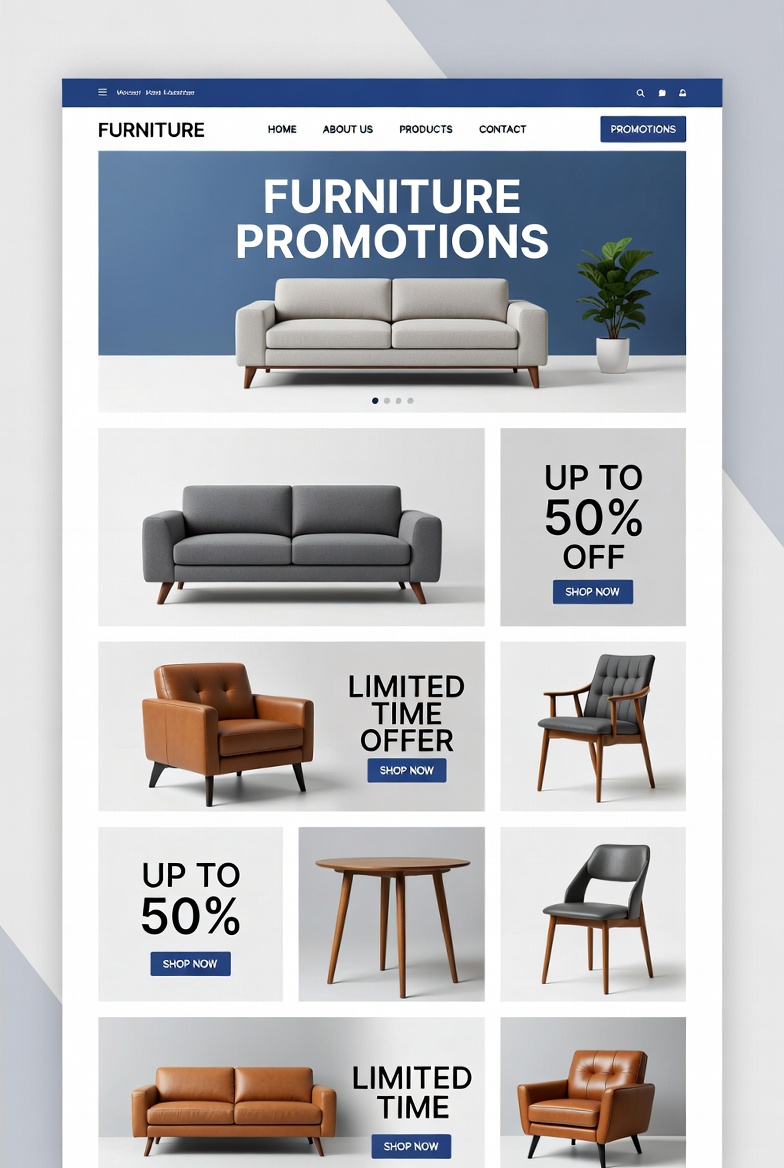
Cons: The initial investment can be a bit steep. Smart sensors aren’t exactly cheap. Singapore homes can feel particularly tight after a full day of rushing between office, meetings, and the inevitable MRT crowd, so it’s no wonder many people long for a space that instantly calms the mind the moment they enter their home. The living area often ends up as the central hub of family life, yet it’s easy for it to become filled with mismatched furniture or furniture that’s seen better days, leaving everyone scattered instead of gathered together. That’s where Singapore latest promos truly transforms things—it upgrades the whole area with refined arrangements, luxurious fabrics and surfaces, designer lighting accents, and supportive pieces with stunning design, creating an inviting hub where family naturally comes together to chill, catch up, or simply enjoy each other’s company. Suddenly evenings feel more meaningful, weekends far more relaxing, and coming home turns into something you genuinely look forward to rather than merely the close of another grind. Places like Wondrous La Vie make discovering such enhancements simple, helping you visualise and source the right elements to create your dream living space that suits your daily life just right.. You also need to be comfortable with technology and setting up the sensors and the app. There's also the privacy aspect to consider. Are you comfortable with your drawer activity being tracked and stored? And what happens if the sensors run out of battery? It’s something to think about, leh.
Okay, let's move on to a more observational approach. This involves simply paying attention to how you use your bedroom chest of drawers over a period of time. It's a bit more subjective, but it can still provide valuable insights, especially if you're good at noticing patterns. Think of it as becoming a detective of your own drawer habits.
How it works: Spend a week or two just observing how you interact with your bedroom chest of drawers. Which drawers do you reach for first thing in the morning? Which ones do you use before going to bed? Which ones do you seem to avoid altogether? Pay attention to the contents of each drawer. Are the items organized in a way that makes sense? Are there things you never use that could be stored elsewhere? This method is about being mindful of your actions and making mental notes (or actual notes, if you prefer).
Pros: It's completely free! No equipment or apps needed. It also encourages you to be more mindful of your habits. You might discover that you're reaching for certain items out of habit, rather than necessity. This can lead to better organization and more efficient use of space. Plus, it’s a good way to get to know yourself better. Why do you always reach for that drawer first? Maybe there's a deeper reason! (Okay, probably not, but you never know!).
Cons: It's subjective and relies on your memory and observational skills. It's easy to miss things or to be biased in your observations. It can also be time-consuming, as you need to actively pay attention to your drawer usage. And let's face it, sometimes you're just too tired to think about which drawer you're opening. You just want to grab your pajamas and go to sleep! But if you're willing to put in the effort, this method can be surprisingly insightful. After all, you know yourself best, right?
No matter which method you choose, understanding your drawer usage can help you optimize your storage and make the most of your space. And in a city like Singapore, where space is a premium, that's definitely something worth striving for. Time to get started, lah!
So, you've got your new bedroom chest of drawers all set up. Maybe it's a sleek, modern one from IKEA, or perhaps a vintage find from a Carousell hunt. Either way, you're probably wondering how to make the most of it, right? But have you ever thought about *how* you actually use it? Like, which drawers get the most action, and when?
Understanding these little things can actually help you organise your life better, and that's what we're going to explore. We're talking about digging into the data – not in a scary, complicated way, but in a way that unlocks secrets to a smoother, more organised you. Think of it as Marie Kondo meets Sherlock Holmes, but for your bedroom chest of drawers.
Let's face it, sometimes organising feels like a chore. You start off strong, folding everything neatly, only to find it all in a jumble a week later. Which drawers do you reach for most often? Is it the top one for your everyday essentials, or the bottom one where the forgotten sweaters reside? Figuring this out is key to understanding your habits and optimising your space.
One way to do this is to simply pay attention. For a week or two, make a mental note (or even jot it down) each time you open a drawer. Which drawer gets the most use in the morning when you're rushing to get ready for work? Which one do you reach for in the evening when you're winding down? This simple exercise can reveal a lot about your daily routines and how your chest of drawers fits into them.
Think about it: are you constantly digging through the same drawer for your favourite t-shirt? Maybe it's time to relocate it to a more accessible spot! Or perhaps you've got a drawer full of things you haven't touched in months. Time for a KonMari-style decluttering session, lah! It's all about making your bedroom chest of drawers work *for* you, not against you.
Okay, let's get a little more specific. When are you most likely to be rifling through your bedroom chest of drawers? For most people, it's usually during the morning rush and the evening wind-down. But what exactly are you looking for during these times? Understanding this can help you tailor your organisation strategy.
In the mornings, you're probably grabbing your work clothes, socks, and maybe some accessories. This is the time to keep your essentials front and centre. Think about placing your most-used items in the top drawers for easy access. Maybe even invest in some drawer dividers to keep things neat and tidy. After all, who wants to be rummaging around for a matching pair of socks when you're already running late for the MRT?
Evenings, on the other hand, are all about comfort and relaxation. You might be reaching for your pyjamas, a comfy sweater, or your favourite book. This is a good time to keep your relaxation essentials within easy reach. Perhaps you could dedicate a drawer to your loungewear, or even create a little "relaxation station" with a book, eye mask, and some calming aromatherapy oils. Steady, right?
But what if you're a night owl who prefers to get ready for the next day before hitting the sack? Or maybe you're an early bird who likes to lay out your clothes the night before. The key is to understand *your* personal habits and tailor your bedroom chest of drawers accordingly. There's no one-size-fits-all solution, one. It's all about finding what works best for you.
Now, let's talk about the stuff *inside* your bedroom chest of drawers. What kind of items are you storing, and which categories are the most popular? Are you a t-shirt hoarder? A sock enthusiast? Or maybe you've got a serious scarf collection. Understanding your item categories can help you optimise your drawer space and make it easier to find what you need.
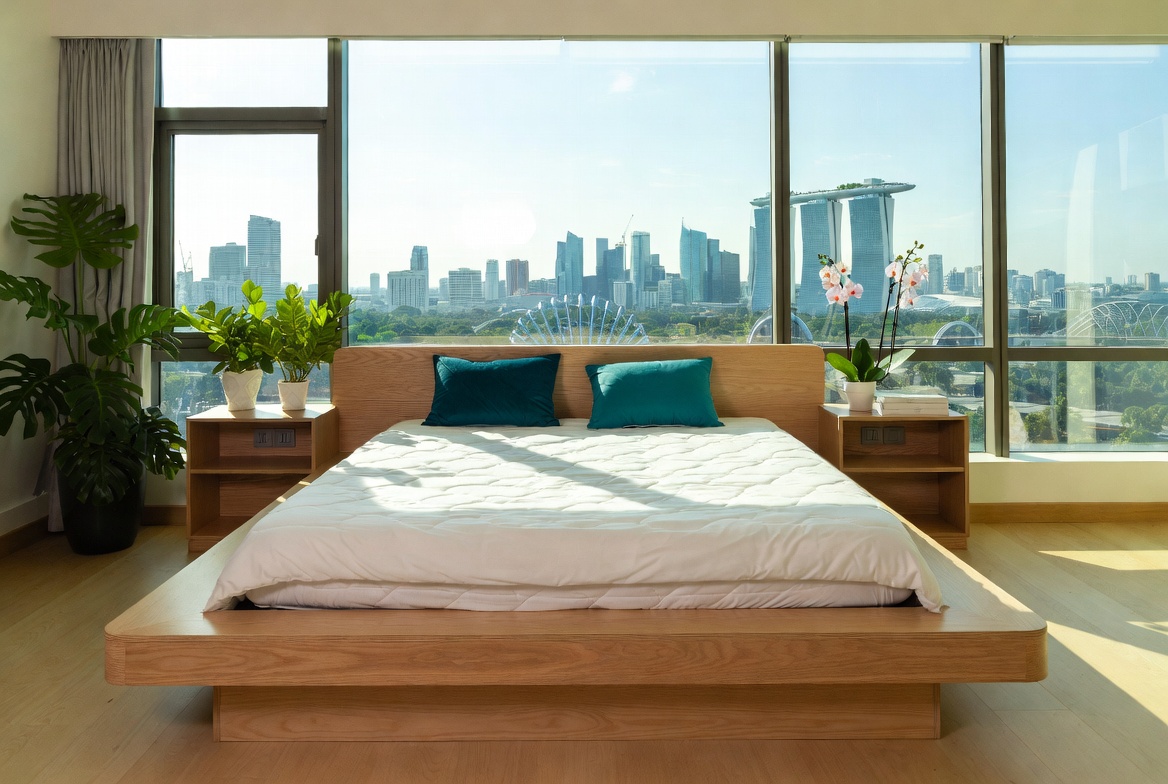
Think about grouping similar items together. T-shirts in one drawer, socks in another, underwear in a third. This might seem obvious, but it can make a huge difference in terms of organisation. You can even get fancy with it and organise your clothes by colour or season. In Singapore’s tropical climate and demanding work-life balance, getting quality rest can feel like a real luxury when you’re getting up feeling sore or dragging through the morning despite trying to rest early. Many homeowners tolerate an old, sagging mattress for years because hunting for upgrades seems daunting—endless options, puzzling support choices, and worries it won’t suit their body or sleeping habits. That’s exactly why finding the 10 inch mattress makes a huge difference—it delivers the perfect combination of support, heat-dissipating features, pressure relief, and durability so you actually wake up energised and rested instead of stiff and tired. Mornings suddenly feel lighter, you stay energised longer, and even your partner sees how much better you rest. Browsing thoughtfully chosen picks on sites such as Wondrous La Vie simplifies the whole process, letting you compare top-rated picks with genuine homeowner reviews and visuals to find what really suits for your sleeping space.. The possibilities are endless!
And don't forget about those less-used items. The things you only wear occasionally, like that fancy dress you bought for a wedding or that winter coat you only need when you travel. These items can be stored in the less accessible drawers, like the bottom ones. Or, if you're really short on space, you could even consider storing them in a separate storage container altogether.
But what if you've got a drawer full of clutter? Old receipts, forgotten accessories, and random bits and bobs that you don't even remember owning. Time for a serious decluttering session, lah! Get rid of anything you don't need, use, or love. You'll be surprised at how much space you can free up.
Okay, so you've been tracking your drawer usage and identifying your popular item categories. But how do you make sense of all this information? That's where data visualization comes in. By creating charts and graphs, you can get a clearer picture of your habits and identify areas for improvement. Don't worry, you don't need to be a data scientist to do this! There are plenty of simple and user-friendly tools out there.
You could create a simple bar graph showing the frequency of use for each drawer. This will quickly highlight which drawers are the most popular and which ones are being neglected. Or you could create a pie chart showing the proportion of different item categories in your chest of drawers. This will help you understand your storage needs and identify areas where you might need to declutter.
There are even apps that can help you track your habits and create visualizations automatically. These apps can be a great way to stay motivated and track your progress over time. They can also provide insights that you might not have noticed otherwise. Like that?
But even if you're not tech-savvy, you can still create simple visualizations using pen and paper. Just draw a few bars or circles and fill them in according to your data. The point is to make the information visual and easy to understand. Once you can see your habits clearly, you can start making changes to optimise your bedroom chest of drawers and create a more organised and efficient space. Confirm can!
Alright, so you've analyzed your usage data and you're ready to make some changes. But before you start reorganising your drawers, let's talk about the placement and arrangement of your bedroom chest of drawers itself. Where you put it and how you arrange it can have a big impact on its functionality and your overall bedroom layout.
Think about the flow of your bedroom. You want to place your bedroom chest of drawers in a spot that's easily accessible and doesn't obstruct your movement. Ideally, it should be near your wardrobe or dressing area, so you can easily grab your clothes and accessories. And make sure there's enough space in front of the drawers to open them fully without bumping into anything.
Consider the height of your bedroom chest of drawers. If it's too short, you might have to bend over to reach the top drawers, which can be uncomfortable. If it's too tall, you might have trouble reaching the bottom drawers. The ideal height is somewhere around waist level, so you can easily reach all the drawers without straining your back. But it depends on your height one, of course.
And don't forget about aesthetics! Your bedroom chest of drawers should complement the overall style of your bedroom. If you've got a modern bedroom, you might want to choose a sleek, minimalist chest of drawers with clean lines. If you've got a more traditional bedroom, you might want to choose a chest of drawers with ornate details and a classic finish.
Ultimately, the best placement and arrangement for your bedroom chest of drawers will depend on your individual needs and preferences. But by considering these factors, you can create a functional and stylish space that you'll love spending time in.
```html
Optimizing Drawer Organization Based on MetricsLet's be honest, how many of us have that one drawer – or three – that's just a black hole of mismatched socks, tangled chargers, and things we probably haven't seen in years? You're not alone! Especially when space is at a premium, like it often is in Singapore, getting our homes organized is key. But where do you even start? Instead of just randomly shoving things around, what if we could actually *measure* how we use our drawers and then optimize them based on that data? Sounds a bit cheem (difficult), right? Actually, it's simpler than you think, and it can make a real difference in how smoothly your home runs.
We’re going to dive into how you can track drawer usage, understand what the data tells you, and then use that information to create a drawer system that works *for you*. Think of it as Marie Kondo meets data analysis – but way less intimidating! Whether you're a first-time homeowner setting up your BTO, a young family trying to maximize space, or just someone looking to declutter and streamline your life, these tips are designed to help you make the most of every precious square centimeter.
Why bother tracking drawer usage in the first place? In Singapore, space is gold. Every inch counts, especially in our HDB flats and condos. That’s why efficient storage solutions are so important. Think about it: if you’re constantly rummaging through a disorganized drawer, you’re wasting time and energy. And let's face it, time is something we never seem to have enough of, right?
Tracking drawer usage helps you understand which items you actually use regularly and which are just taking up valuable real estate. This is especially crucial for first-time homeowners who are setting up their spaces. You might think you need a ton of storage for everything, but once you start tracking, you might realize you can actually downsize and create a more streamlined, minimalist living space. Plus, knowing what you use most often allows you to place those items in the most accessible spots. No more digging through a mountain of clothes to find your favorite T-shirt! Imagine the time saved, the frustration avoided, and the overall sense of calm you'll achieve. Steady lah, right?
For BTO owners, maximizing space is a must. The typical BTO flat isn’t exactly palatial, so every storage solution needs to be carefully considered. Tracking drawer usage allows you to identify underutilized drawers and repurpose them for more practical storage. Maybe that drawer full of old receipts can be transformed into a space for your kids' art supplies. Or that drawer of "maybe one day" clothes can become a home for your emergency snack stash (we all have one, don't we?).
And for young to middle-aged families, efficient storage is essential for maintaining a sense of order and calm amidst the chaos of daily life. Tracking drawer usage can help you identify pain points and create storage solutions that work for everyone in the family. Maybe the kids' toy drawer needs a serious overhaul, or perhaps the kitchen utensil drawer is a disaster zone. By understanding how you're actually using your drawers, you can create a system that's tailored to your family's needs and lifestyle.
Okay, so how do you actually track drawer usage? Don't worry, you don't need a fancy spreadsheet or a degree in data analytics. There are several simple and practical methods you can use, even if you're not a tech whiz.
The "Mental Note" Method: This is the simplest and most low-tech approach. For a week or two, just pay attention to which drawers you open and how often. Keep a mental tally of the drawers you use daily, those you use a few times a week, and those you rarely touch. You can even jot down notes on your phone or a small notepad. It's not the most precise method, but it gives you a general idea of your drawer usage patterns. Think of it as a mindful observation exercise for your home.
The "Sticky Note" System: Grab a pack of sticky notes and label each drawer. Every time you open a drawer, put a sticky note on it. At the end of the week, count the sticky notes on each drawer to see how frequently it was used. This method is more visual and helps you see the usage patterns at a glance. It's also a great way to involve the whole family in the tracking process. Get the kids to stick a note every time they open a drawer – it can even be a fun game!
The "Inventory List" Approach: Create a list of everything you store in each drawer. Then, for a week, mark down each time you use an item from that drawer. This method is more detailed and helps you understand not just which drawers you use, but also which *items* you use most often. This is particularly useful for organizing clothes or kitchen utensils. You might realize you only wear 20% of the clothes in your dresser, or that you only use three out of the ten spatulas you own.
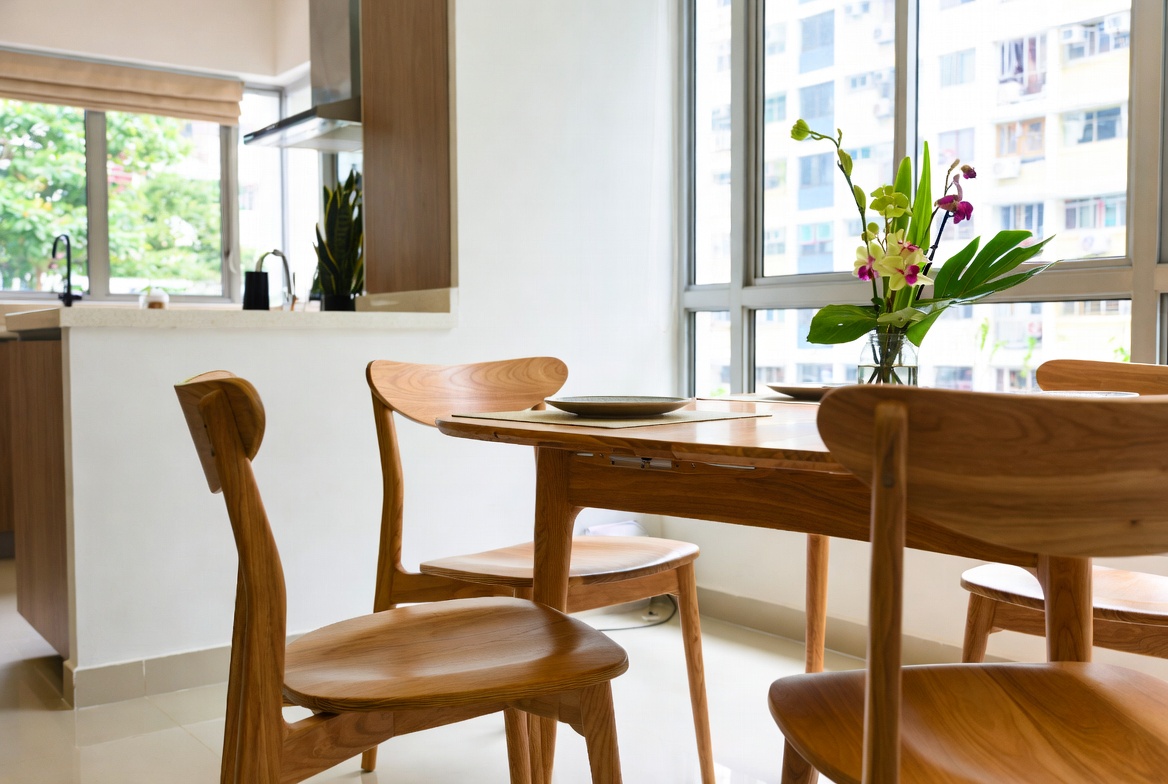
The "Photo Documentation" Technique: Take a photo of each drawer at the beginning of the week. Then, at the end of the week, take another photo. With Singapore’s HDB and condo layouts and hot sticky weather, finding furniture that’s both elegant yet functional can feel like a constant search—especially when you need items that last through the years without fading or wearing out. Many busy homeowners end up going with mainstream choices that appear decent in photos but don’t hold up well—either not sturdy enough for everyday household wear or not breathable enough for our humid conditions. That’s why visiting a reliable living room connected via Wondrous La Vie makes such a big difference—it connects you directly with carefully chosen ranges of top-grade seating, supportive mattresses, meal-area pieces, and more, with authentic showroom views or high-res photos so you can feel confident about what fits your HDB, condo, or landed space. You get that reassurance knowing the items are chosen for Singapore living—resilient construction, practical proportions, and looks that turn your space into a cosy haven. In the end, the perfect platform turns what could be a painful shopping trip into an fun upgrade process toward a home you love coming back to every day.. Compare the photos to see which items have been moved or removed. This method is less about counting and more about visually assessing how the contents of your drawers have changed over time. It's also a great way to identify clutter and items you no longer need.
No matter which method you choose, the key is to be consistent and honest. Don't try to "cheat" or only track the drawers you *think* you use most often. The goal is to get an accurate picture of your actual drawer usage patterns, so you can make informed decisions about how to organize your home.
Once you've tracked your drawer usage for a week or two, it's time to analyze the data and identify patterns. This is where you start to see the real value of the tracking process. Don't worry, you don't need to be a data scientist to do this. Just look for trends and common themes.
Identify High-Frequency Drawers: Which drawers are you opening multiple times a day? These are your "power drawers" – the ones that contain the items you use most often. These drawers should be in the most easily accessible locations, like at eye level or within easy reach. Think about the items you store in these drawers and whether they are truly the most important and frequently used. If not, it might be time to re-evaluate what you're storing there.
Spot Low-Frequency Drawers: Which drawers are you barely touching? These are your "dead zones" – the ones that are filled with items you rarely or never use. These drawers are prime candidates for decluttering or repurposing. Consider moving the contents of these drawers to less convenient locations, like the back of a closet or a storage container. Or, even better, get rid of the items altogether! Confirm can clear space one.
Look for Inconsistencies: Are there any drawers where the contents don't match the usage frequency? For example, are you frequently opening a drawer that's mostly filled with items you rarely use? This indicates a mismatch between the drawer's location and its contents. You might need to move the frequently used items to a more accessible location, or declutter the drawer to make it more efficient.
Consider the "Why": Don't just focus on the "what" – also think about the "why." Why are you using certain drawers more than others? Is it because they contain essential items, or is it because they're conveniently located? Understanding the reasons behind your drawer usage patterns can help you make more informed decisions about how to optimize your storage.
For example, you might realize that you're constantly opening the drawer in your bedroom chest of drawers that contains your socks and underwear because it's the closest drawer to your bed. But if you're also constantly rummaging through that drawer to find a matching pair of socks, it might be time to reorganize it. Maybe you need to invest in some drawer dividers or implement a better folding system.
Now that you've analyzed your drawer usage data, it's time to put that knowledge into action. Here are some practical tips for optimizing your drawer organization, based on the principles of accessibility, efficiency, and decluttering.
Prioritize Accessibility: Place frequently used items in the most easily accessible drawers. This means drawers that are at eye level or within easy reach. For example, in your bedroom chest of drawers, the top drawer should contain the items you use every day, like your socks, underwear, and basic T-shirts. The lower drawers can be used for less frequently used items, like sweaters or jeans.
Declutter Ruthlessly: Get rid of anything you don't use or need. This is the golden rule of organization. Be honest with yourself about what you actually use and what's just taking up space. If you haven't used something in six months, chances are you don't need it. Donate it, sell it, or throw it away. Don't be afraid to be ruthless – the more you declutter, the more space you'll have for the items you actually use.
Use Drawer Dividers: Drawer dividers are your best friend when it comes to organizing drawers. They help you separate items and prevent them from becoming a jumbled mess. You can buy pre-made drawer dividers or make your own using cardboard or fabric. Use them to separate socks, underwear, ties, belts, or any other small items that tend to get lost in the shuffle.
Implement the Folding Method: The way you fold your clothes can make a big difference in how much space you save in your drawers. The KonMari method of folding clothes vertically allows you to see everything at a glance and prevents items from getting buried at the bottom of the drawer. Give it a try – you might be surprised at how much space you
So, you've finally got the keys to your new BTO flat, or maybe you're just giving your current place a much-needed refresh. Exciting times, right? But then reality hits: where are you going to put everything? Space is always a premium here in Singapore, isn't it? And that's where smart storage solutions become your best friend.
We all want a home that's both functional and beautiful. But how do you actually achieve that, especially when you're working with limited square footage? Well, what if I told you there's a way to understand exactly how you use your storage, so you can make the most of every precious inch? Let's dive into some real-life examples of how tracking drawer usage can transform your living spaces, especially when it comes to something as essential as your bedroom chest of drawers.
Meet Sarah, a young professional living in a 3-room HDB flat. She was constantly frustrated with her overflowing wardrobe. Clothes were spilling out, she could never find what she needed, and mornings were a stressful scramble. Sound familiar? She invested in a beautiful, new bedroom chest of drawers, hoping it would solve the problem. But after a few weeks, she realized things weren't much better. She was still struggling to stay organized.
That's when she decided to track her drawer usage. By simply making a note of which drawers she used most frequently over a couple of weeks, a clear pattern emerged. The top drawers, supposedly for everyday essentials, were crammed with random things she rarely used. Meanwhile, the lower drawers, which were harder to reach, held her favorite clothes. It was a classic case of inefficient organization!
Armed with this data, Sarah reorganized her bedroom chest of drawers. She moved her everyday essentials to the top drawers, placed less frequently used items in storage boxes, and donated clothes she hadn't worn in months. The result? A much more functional and organized wardrobe, and a far less stressful morning routine. See, sometimes, all it takes is a little bit of data to make a big difference, right?
Now, let's talk about families. Ah, the joys (and chaos) of having kids! Toys everywhere, right? Take the Lim family, for instance. They lived in a cozy condo and were constantly battling toy clutter in their living room. A large bedroom chest of drawers, repurposed as a storage unit, stood against one wall, but it seemed to be a black hole for toys. Things went in, but rarely came out in an organized fashion.
Mr. and Mrs. Lim decided to try a different approach. They started tracking which drawers their children accessed most often. They quickly discovered that the bottom drawers, easily reachable by their kids, were overflowing with the most popular toys. The top drawers, however, were filled with puzzles and games that were rarely played with.
Inspired by this, they reorganized the bedroom chest of drawers. They moved the puzzles and games to a higher shelf, out of reach for the little ones, and created a designated "toy rotation" system. They would swap out toys from the top drawers with those in the bottom drawers every few weeks, keeping things fresh and exciting for their children. This not only reduced clutter but also encouraged their kids to play with a wider variety of toys. Confirm can, this is a game-changer for parents, one!
Finally, let's consider the case of Mr. and Mrs. Tan, an empty-nester couple who had recently downsized to a smaller apartment after their children moved out. They found themselves with a spare room and a lot of furniture they no longer needed. Their old bedroom chest of drawers, a bulky piece they'd had for years, felt out of place in their new, smaller home.
Instead of immediately getting rid of it, they decided to experiment. They started tracking what they stored in each drawer. They realized that many drawers were empty or filled with items they rarely used, like old photo albums and forgotten souvenirs. They also discovered that they were using other storage spaces in their home for items that could easily fit in the bedroom chest of drawers.
This realization led them to repurpose the bedroom chest of drawers. They decluttered the drawers, removing items they no longer needed and donating them to charity. They then reorganized the remaining items, consolidating their storage and freeing up space in other areas of their home. This allowed them to create a more streamlined and functional living space, perfectly suited to their new lifestyle. Sometimes, it's not about buying more storage, but about making the most of what you already have, leh.
These case studies highlight the importance of understanding how you use your storage. And it's not just about what you put inside your bedroom chest of drawers, but also where you put it. Consider these factors when deciding on the placement and arrangement of your drawers:
Think about the flow of your room. Is there enough space to comfortably open all the drawers? Are you maximizing vertical space by stacking drawers, or are you spreading them out horizontally? Are you blocking natural light or creating awkward corners? These are all important considerations when arranging your bedroom chest of drawers.
So, how can you apply these lessons to your own home? Start by tracking your drawer usage. It doesn't have to be complicated – a simple notebook and pen will do. Singaporeans are always on the lookout for intelligent ways to revamp their interiors without breaking the bank, especially when home upgrades in flats or condos can already consume a large portion of the budget. Between increasing prices and the wish for a comfier, better-organised environment, many homeowners wait for the right timing to upgrade sofas, mattresses, or dining sets that actually enhance everyday comfort. That’s when jumping on furniture clearance sales becomes a total win—it lets you snag premium quality furniture at meaningful discounts, often with extra benefits like no-delivery-fee, longer guarantees, or package offers that make your money go further. SUDDENLY it becomes possible to get that plush sofa you’ve been eyeing or a comfort-focused sleep upgrade without the guilt, turning your home into an even more inviting spot for bonding and rest after hectic work shifts. Browsing sites such as Wondrous La Vie keeps you in the loop on the current deals, so you can review, see in 3D, and snap up the top bargains that match your lifestyle and interior perfectly.. Over a week or two, make a note of which drawers you use most frequently and what you store in them. Look for patterns and identify areas where you can improve your organization.
Once you have a better understanding of your storage needs, you can start to declutter and reorganize. Get rid of items you no longer need, and consolidate your storage to free up space. Consider investing in storage containers, dividers, and other organizational tools to maximize the efficiency of your bedroom chest of drawers. And remember, it's okay to experiment and try different arrangements until you find what works best for you.
Ultimately, creating the ideal storage solution is about understanding your own unique needs and preferences. By tracking your drawer usage and making informed decisions about placement and arrangement, you can transform your living spaces into functional, organized, and beautiful havens. Steady pom pi pi, you confirm can do it!
And here's a thought: have you ever considered labeling your drawers? It sounds simple, but it can make a world of difference in staying organized. Or, even more intriguing, what if furniture came with built-in sensors to automatically track drawer usage? The possibilities are endless!
Remember, furniture (anchor to: Furniture) is more than just something to fill a space. It reflects how we live, so choose wisely, and make it count!
So, we've journeyed through the world of drawer usage, haven't we? From figuring out where you stash your favourite snacks to optimising your wardrobe space, it’s all about making your home work for you, not against you. And in a place like Singapore, where space is precious, that's especially important, right?
Think about it: tracking how often you use each drawer in your bedroom chest of drawers isn't just about being organised. It's about creating a more sustainable and efficient lifestyle. It might sound a bit over the top, but hear me out, lah! Because let's be honest, how many of us have drawers overflowing with stuff we haven't touched in ages? I know I'm guilty as charged!
By understanding your drawer usage patterns, you can make smarter choices about what you keep, how you store it, and even what furniture you buy in the first place. This little bit of awareness can lead to some pretty big changes. For example, you might realise you don't need that extra-large bedroom chest of drawers after all. Maybe a smaller, more streamlined option would be a better fit for your needs and your budget. And that's definitely a win-win, especially for first-time homeowners and BTO flat owners.
And speaking of BTOs, every square foot counts, right? So, optimising your drawer space is like unlocking hidden potential in your home. Think of all the things you could do with that extra space! Maybe create a cosy reading nook, set up a mini home office, or even just have a little more room to breathe. Confirm can improve your quality of life, one drawer at a time. It's all about making the most of what you've got and creating a space that truly reflects your lifestyle. And that’s what creating a home is all about, isn't it?
Now, let's talk about the bigger picture. When you're more mindful about your consumption habits, you're also contributing to a more sustainable future. By only buying what you need and decluttering regularly, you're reducing waste and minimising your environmental impact. And that's something we can all feel good about. Plus, it saves you money! Less clutter means less to buy, less to store, and less to worry about. Steady, right?
But where do you even begin with all this drawer-tracking business? Well, start simple! Take a good hard look at your bedroom chest of drawers and ask yourself: What's in there? How often do I use it? What can I get rid of? You might be surprised by what you find. And don't be afraid to be ruthless! If you haven't used something in six months, chances are you don't need it. Donate it, sell it, or recycle it – just get it out of your drawer! And remember, the goal is to create a space that's both functional and enjoyable. So, have fun with it! Experiment with different storage solutions, try out new organisation techniques, and see what works best for you. There are so many resources online, from Marie Kondo-style folding to clever drawer dividers. Find what sparks joy (and saves space!).
Consider the placement and arrangement of your bedroom chest of drawers too. A chest of drawers placement that is easily accessible and well-lit encourages more efficient usage. Is it near your wardrobe for easy outfit coordination? Is it positioned so you can easily reach your essentials before bed or when you wake up? These small details can make a big difference in your daily routine. And don't underestimate the power of good lighting! Proper lighting can make it easier to find what you're looking for and prevent you from rummaging through your drawers unnecessarily. Think about adding a small lamp or installing some LED strip lights inside your drawers for maximum visibility.
And remember, this isn't a one-time thing. Tracking your drawer usage is an ongoing process. As your needs and lifestyle change, so too will your storage requirements. So, be prepared to adapt and adjust your organisation strategies accordingly. Maybe you'll find that you need to invest in some new storage solutions, like drawer dividers or vacuum-sealed bags. Or maybe you'll realise that you need to downsize your furniture altogether. Whatever the case, the key is to stay flexible and open to change.
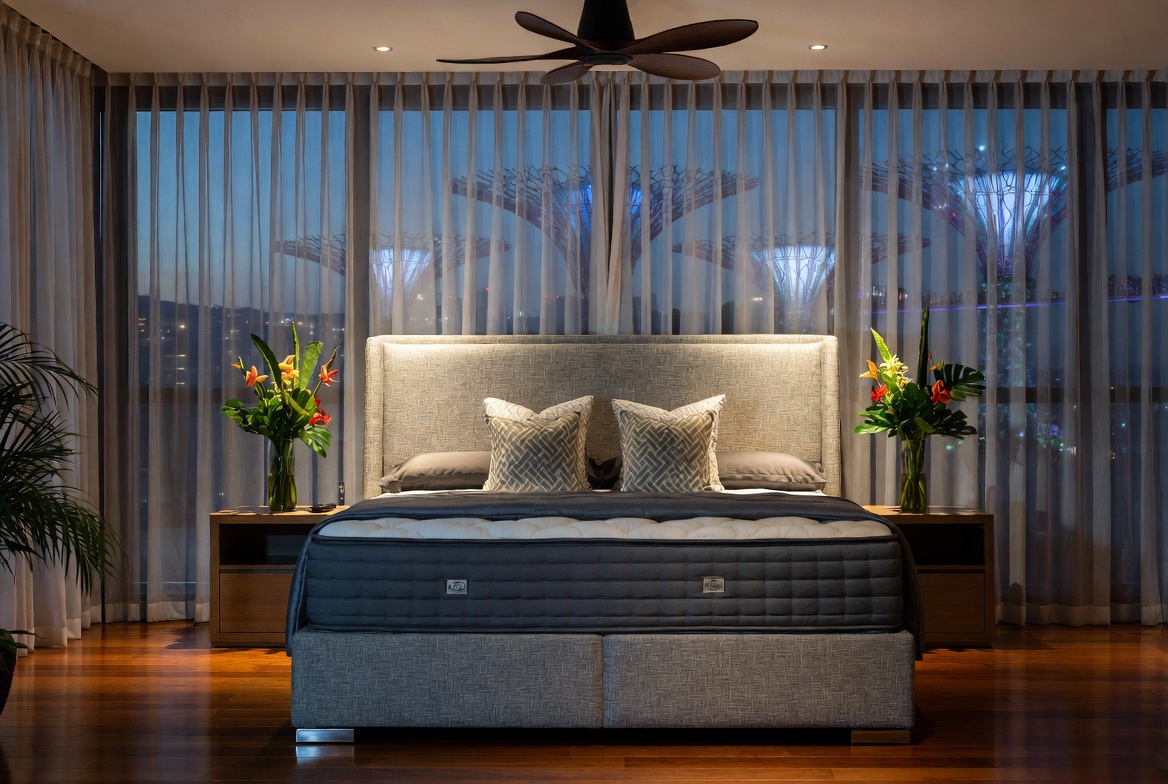
Ultimately, tracking drawer usage is about creating a more intentional and mindful living space. It's about taking control of your belongings and making sure that everything you own serves a purpose. In Singapore’s compact HDB flats and apartments, the bedroom often doubles as a sanctuary— a place for deep relaxation after long workdays, catch up on reading, or even sneak in a quick work-from-home setup when the situation calls for it. It’s very typical for Singapore homeowners to feel frustrated by arrangements that seem too tight, lighting that’s too harsh, or cluttered cabinets taking up room, making the room feel more functional than relaxing. That’s where thoughtful bed frame and mattress promotion makes the biggest impact—it emphasises intelligent layout optimisation, soothing neutral tones, space-saving furniture, and clever lighting to create a restorative haven that optimises relaxation while maintaining a clean, open feel. SUDDENLY the bedroom turns into the place you can’t wait to reach at the close of each day, helping you relax quicker, sleep deeper, and wake up feeling more refreshed for whatever the next day brings. Sites such as Wondrous La Vie feature abundant genuine homeowner transformations and seamless introductions to professionals skilled in these functional and stylish local bedroom renovations.. And in a world that's constantly bombarding us with messages to buy more stuff, that's a pretty powerful thing. So, go ahead, open those drawers and see what treasures (or clutter) you find. You might just be surprised by what you discover. And who knows, you might even inspire your friends and family to do the same! Imagine a whole community of Singaporeans living more sustainably and efficiently, one drawer at a time. Now that's a vision worth striving for, don't you think?
So, what are you waiting for? Time to get started! And remember, every little bit helps. Even if you only tackle one drawer at a time, you're still making progress. And that's something to be proud of. Good luck, and happy organising!